
THANK YOU FOR SUBSCRIBING

Technology to Facilitate Business
× 
Applied Technology Review Weekly Brief
Be first to read the latest tech news, Industry Leader's Insights, and CIO interviews of medium and large enterprises exclusively from Applied Technology Review











Strengthening Storm Recovery through Reliable Communication
Lynda Swaney, Communications Manager, Southernlinc Wireless
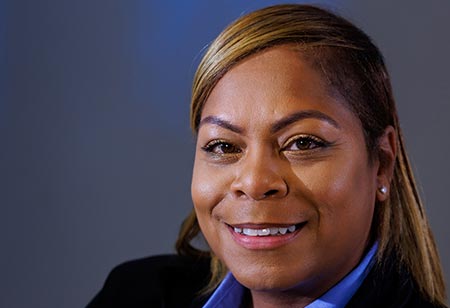 Lynda Swaney, Communications Manager, Southernlinc Wireless
Tackling restoration after a storm is never easy. It demands clear communication, seamless coordination and unwavering reliability. This year alone, Georgia Power has faced 19 major storms, making dependable communication tools more critical than ever for safe and swift recovery efforts.
Facing the Storm: Communication under Pressure
Severe weather brings unique challenges for utility crews. Dense tree canopies, flooding and remote terrain can make wireless connectivity difficult. Power company teams often need to coordinate across miles of downed infrastructure, yet communication systems can struggle under these conditions. Overcrowded channels, dropped connections and limited reach in rural areas all increase risks and slow down recovery.
In storm situations, these communication gaps can mean longer outages, reduced safety and delayed restoration times. Utilities require systems that not only withstand severe conditions but also allow seamless team coordination, even when traditional networks are overloaded or offline.
Building Reliable Communication for Rapid Response
Every minute counts during and after a storm. Clear communication is vital to ensuring coordination across agencies, organizations and restoration teams. Without it, delays multiply, safety risks grow and the time needed to restore power extends dramatically.
Recent experiences in Georgia have shown how mission-critical communication networks and push-to-talk solutions can overcome these barriers. Features such as dedicated storm response talk groups help bypass congestion, ensuring real-time collaboration and uninterrupted workflows. Long-lasting batteries and rugged devices allow teams to stay connected through extended shifts in harsh environments. These capabilities enhance teamwork, allowing workers to share updates and coordinate their actions effectively.
Unlike consumer networks which can become overloaded during hightraffic events, mission-critical systems are designed with redundancies, hardened infrastructure and priority access. This ensures that even when traditional networks are down, utility crews remain connected and can focus on safe restoration.
The Human Impact of Reliable Systems
Reliable communication tools improve technical performance and change the way crews approach storm recovery. Workers report greater confidence in staying connected in the most remote or challenging environments. This confidence reduces stress, improves safety and enables teams to concentrate fully on their restoration tasks.
As one crew member put it, effective communication “saves a lot of time and takes a huge stress off our backs. We don’t have to second-guess if we’re connected— we just know we are.”
Lessons for the Industry
Storm recovery is a complex, high-stakes operation. The ability to restore power quickly and safely depends not only on physical resources but also on the quality and resilience of communication systems. Utilities across the country can take note of Georgia’s experience: investing in mission-critical communication capabilities strengthens response efforts, safeguards workers, and helps communities recover faster.
When the goal is to restore power to communities as safely and quickly as possible, there’s no room for communication gaps. For workers facing tough conditions, resilient communication tools provide the reliable, clear, and secure connection they need to coordinate seamlessly and, ultimately, bring the lights back on when communities need them most.

Read Also

Shaping the Future of Traffic with Digital Innovation
Janne Lautanala, Chief Ecosystem and Technology Officer, Fintraffic

Digital Twins - The Context and Complexity
Anthony Tuffour, Director of Global Lead GIS and Digital Twins, Buro Happold

Navigating Supply Chain Challenges
Kyle Moore, Senior Vice President Of Construction, Landmark Properties, Inc

Unlocking Success In Real Estate Technology
Nathan Kimpel, Head of Technology – Multifamily, Cushman & Wakefield

Driving Digital Transformation in Commercial Real Estate
Dusti Wofford, Global Head of Digital Strategy & Technology, CBRE

Crafting the Future with AI, Cloud and Operational Excellence
Damian Ng, SVP of Technology, Head of Enterprise Architecture, Software Engineering, Reliability and Operations, Anywhere Real Estate Inc


Top

ON THE DECK